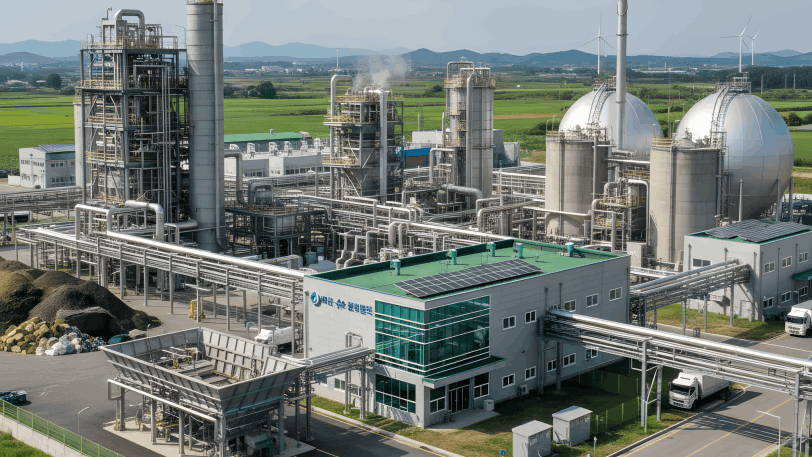
DR FuelCell is a company building a sustainable energy future through clean hydrogen production technology.
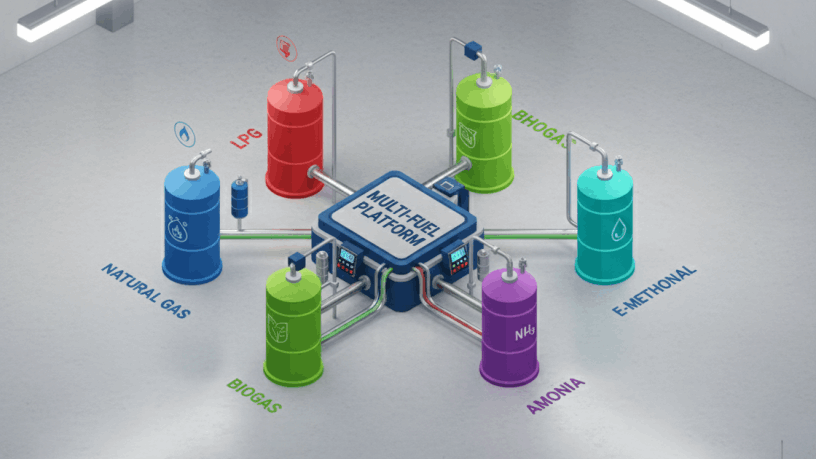
Since its establishment in 2018, we have focused on developing multi-fuel compatible hydrogen generators capable of processing natural gas, LPG, biogas, and ammonia, setting new standards in the hydrogen industry.
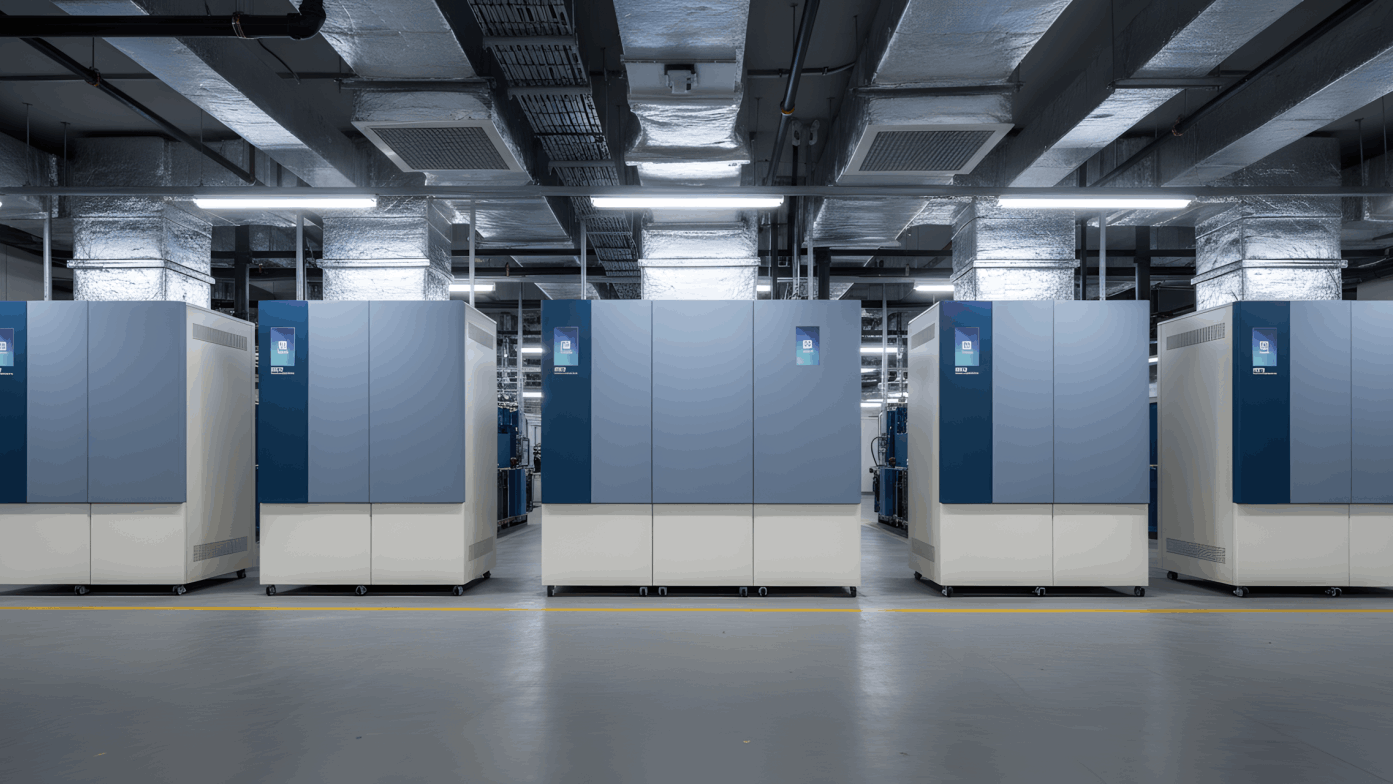
Led by experts with over 30 years of experience in hydrogen and fuel cell technologies, we have established a diverse product lineup ranging from 1kW to 500kW, providing hydrogen solutions for building, industrial, and mobility applications.
Through global R&D collaboration and phased commercialization strategies, we are building core infrastructure for the carbon-neutral era and leading the creation of a hydrogen economy ecosystem.
DR FuelCell, led by a 30-year expert in hydrogen and fuel cell technology, is pioneering the hydrogen industry through the development of multi-fuel hydrogen generators that support natural gas, LPG, biogas, ammonia, e-methanol, and more.
With 22 years of experience as a research team leader at Korea Gas Corporation and a proven track record of managing national projects totaling KRW 76 billion, we possess practical and validated hydrogen production technologies.
Under our vision "Be Free with Nature," we are committed to building distributed clean energy infrastructure for the carbon-neutral era.
We are advancing three core business areas: establishing an annual production capacity of 500 units for 1~500kW natural gas and LPG-based hydrogen generators; producing clean hydrogen from biogas utilizing food waste and livestock manure; and developing ammonia crackers with 99% decomposition efficiency to comply with IMO carbon neutrality regulations.
Through phased commercialization strategies—including supply to major domestic fuel cell system companies, entry into public procurement markets, and providing solutions to biogas plants and shipbuilders—combined with global R&D collaborations, we are generating tangible market results.
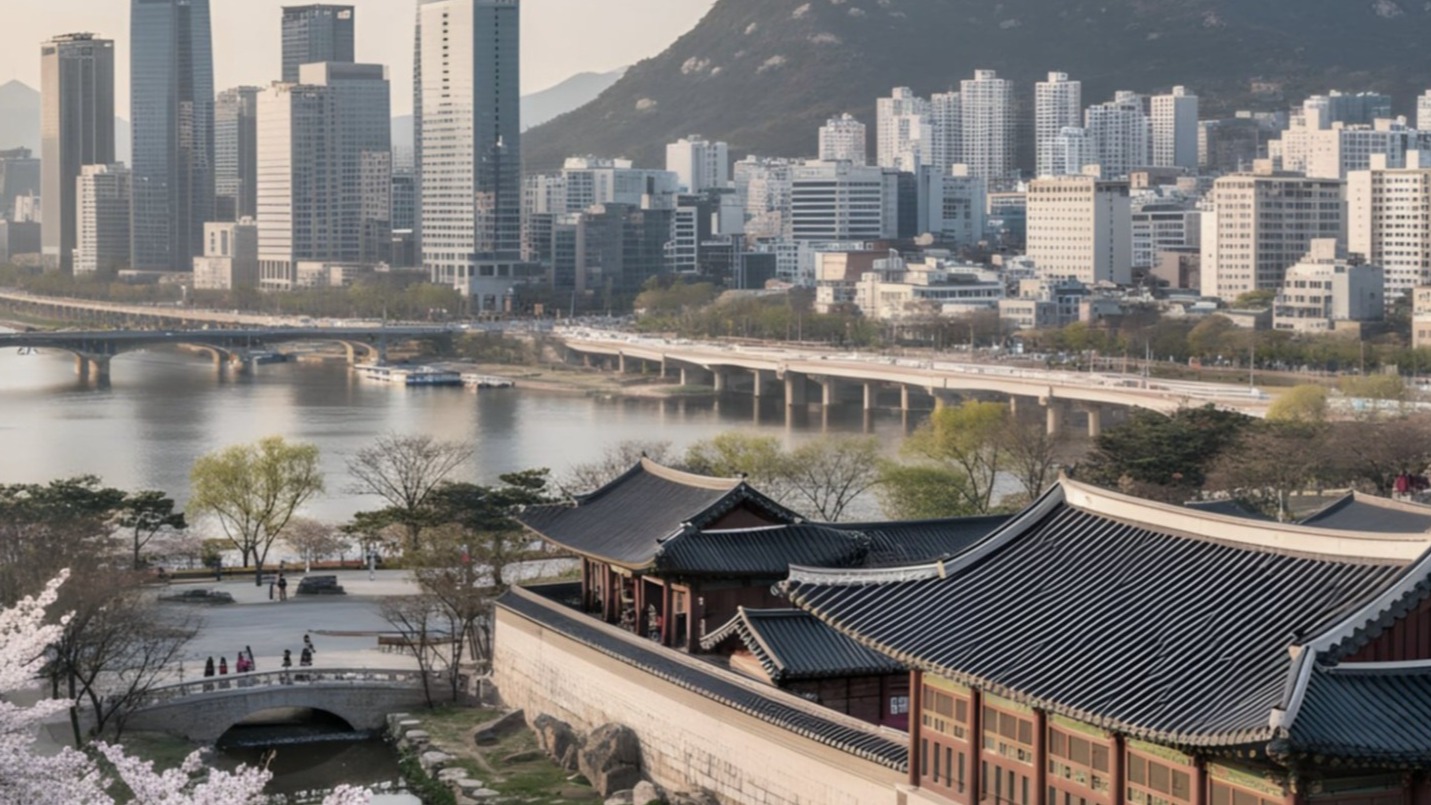
In 2020, South Korea became the first country in the world to enact the Hydrogen Economy Promotion Act and introduce the Clean Hydrogen Portfolio Standard (CHPS), driving toward its 2050 carbon neutrality goal.
The government has established a comprehensive policy framework including inter-ministerial coordination through the Hydrogen Economy Committee, creation of a new market worth 6,500 GWh annually, the Hydrogen City 2.0 strategy, liquefied hydrogen production bases, and nationwide pipeline infrastructure.
With KRW 50 trillion investment from seven major conglomerates and participation from 300 companies, Korea has built a complete hydrogen value chain covering: production (SK E&S 250,000 tons, POSCO 500,000 tons), storage and transportation (Samsung Heavy Industries LH2 carriers, Hyosung tanks), refueling (4 SPVs including HyNet and Kohydrogen), and utilization (Hyundai Motor, HD Hyundai, Hanwha, Doosan).
DR FuelCell leverages this robust Korean hydrogen ecosystem to lead the carbon-neutral era alongside global partners through our core multi-fuel hydrogen generator technology.
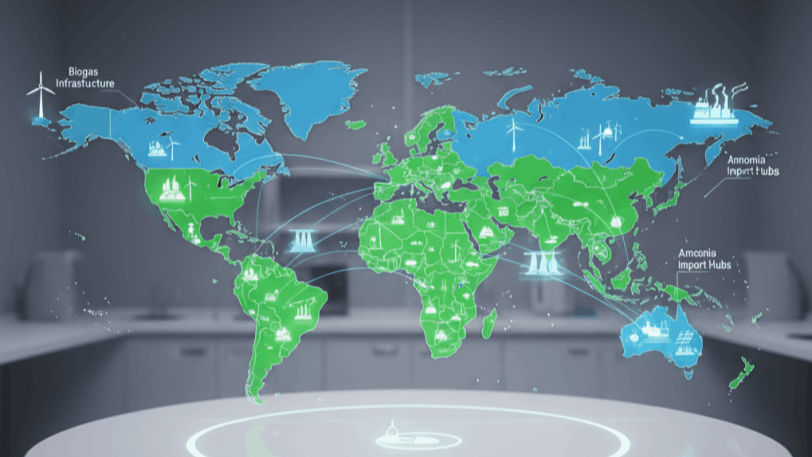
We provide practical solutions that overcome regional differences in fuel availability through multi-fuel technology supporting natural gas, LPG, biogas, ammonia, e-methanol, and more.
We have established partnerships for global market expansion including Fraunhofer ISE in Germany (European technology collaboration), Japanese shipbuilders (ammonia crackers), and the Middle East (natural gas regions).
Based on the Hydrogen Economy Promotion Act enacted in 2020 and the Clean Hydrogen Portfolio Standard (CHPS), Korea is pursuing its 2050 carbon neutrality goal.
The government has established a systematic policy framework including inter-ministerial coordination through the Hydrogen Economy Committee chaired by the Prime Minister, creation of a new market worth 6,500 GWh annually, and R&D and tax support for hydrogen-specialized companies.
Korea has established a complete value chain covering:
Production: SK E&S 250,000 tons, POSCO green hydrogen 500,000 tons
Storage & Transportation: Samsung Heavy Industries LH2 carriers, Hyosung tanks
Refueling: 4 SPVs including HyNet and Kohydrogen, Kwangshin Machine with 54% market share
Utilization: Hyundai Motor mobility, HD Hyundai ships, Hanwha power generation, Doosan fuel cells