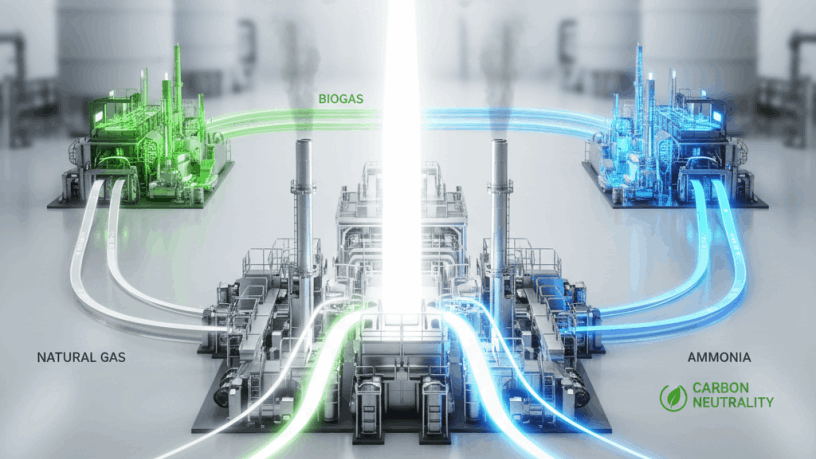
While natural gas-based hydrogen production dominates the early stages of the hydrogen economy, the transition to clean hydrogen sources such as biogas and ammonia is essential to achieve carbon neutrality goals.
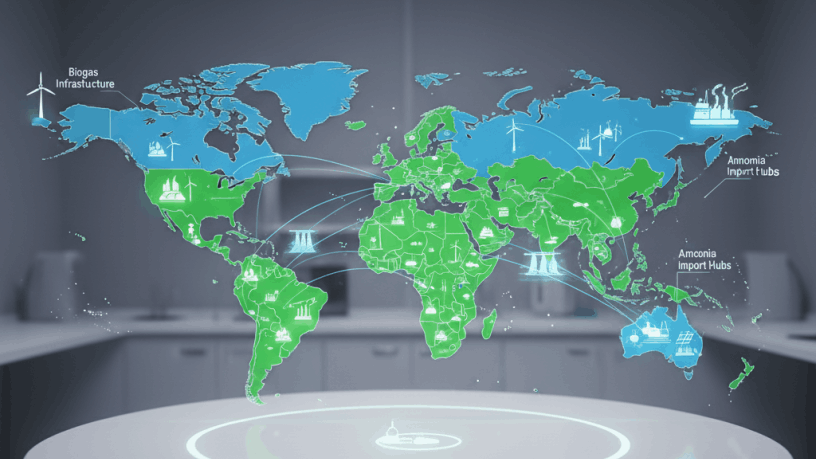
Available fuel sources vary by country and region. For instance, Europe has well-developed biogas plants, whereas Japan and South Korea are focusing on building infrastructure for ammonia imports.
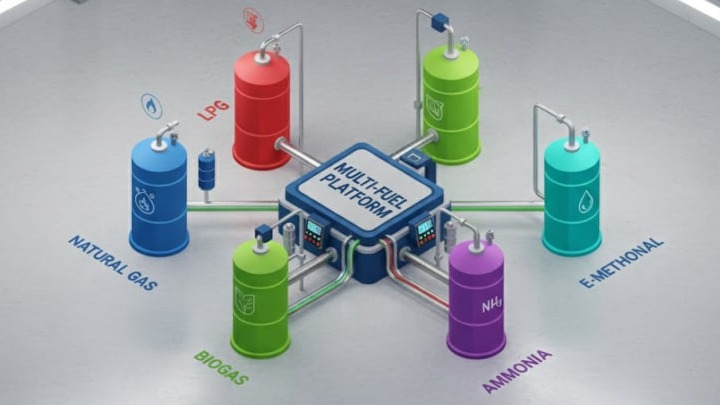
Fuel cell system manufacturers require hydrogen generators compatible with various fuels. This enables flexible responses to market changes and facilitates entry into global markets.
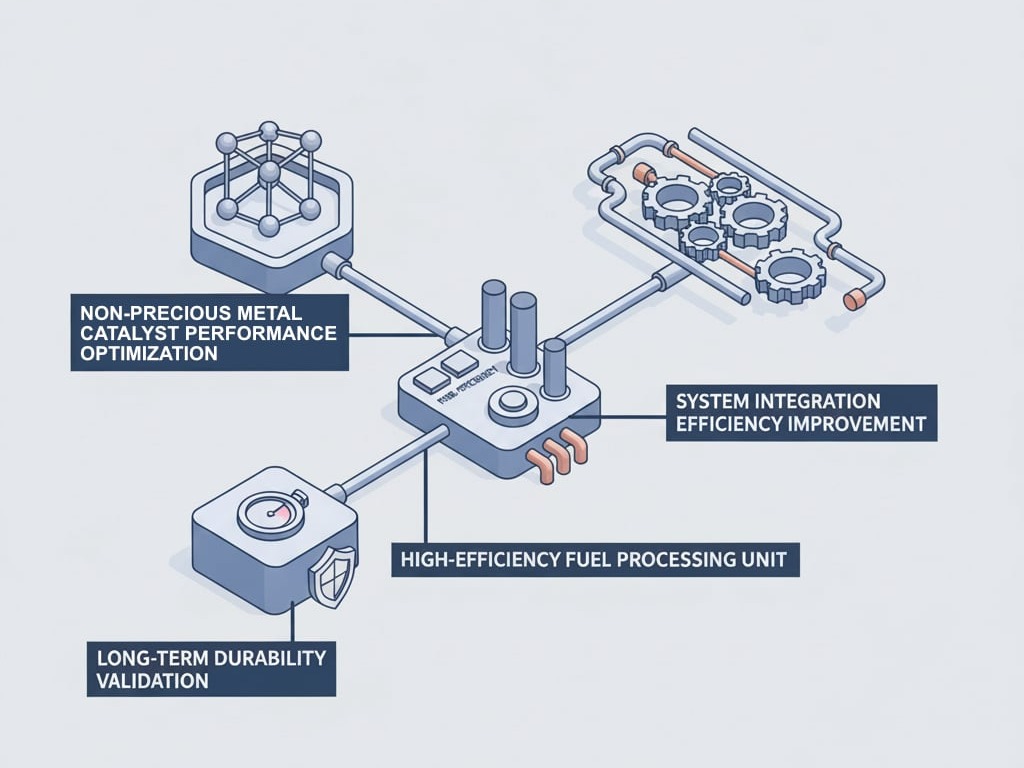
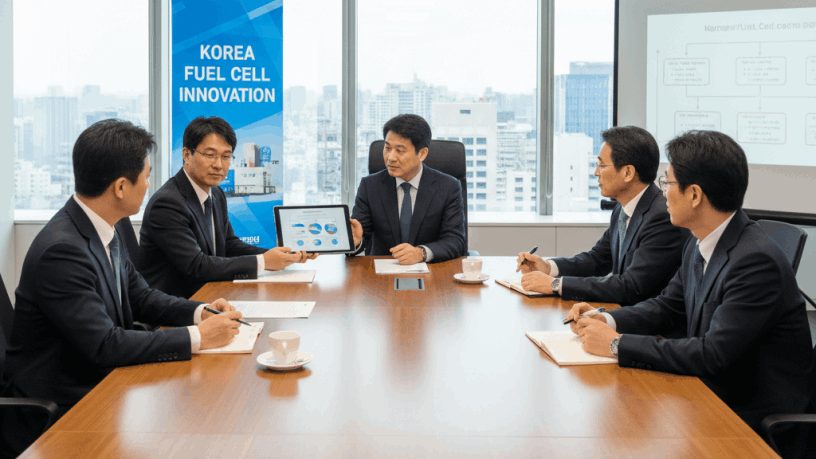
DR Fuel Cell has established Germany as a key hub for entering the European market and is strengthening its global technological competitiveness by building R&D infrastructure with Fraunhofer ISE. As the world's largest hydrogen market aiming for 10GW of electrolyzer installation by 2030, Germany is seeing rapidly increasing demand for distributed hydrogen production systems.
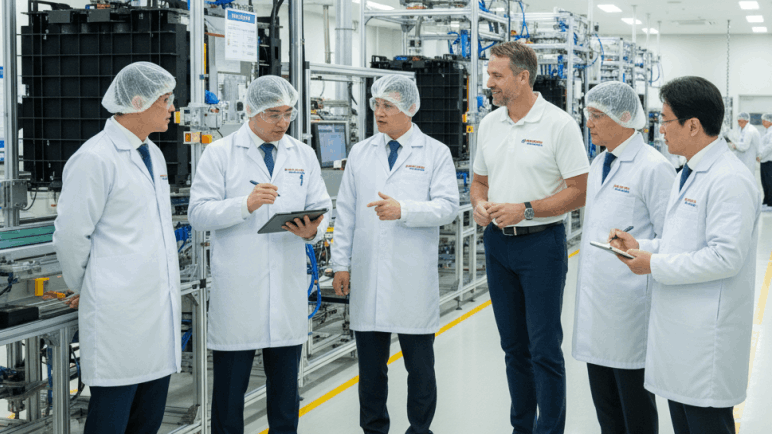
We are jointly developing direct biogas reforming process technology with Fraunhofer ISE, Germany's leading energy research institute. In 2024, we successfully completed a local PoC (Proof of Concept) in Europe, verifying technological reliability and laying the foundation for market expansion across the EU.
By combining Korea's non-precious metal catalyst and smart control technologies with Germany's system integration and safety standard expertise, we are securing both Asian manufacturing competitiveness and European technological reliability. Using Germany as a base, we are targeting the clean hydrogen market across the EU and strengthening global competitiveness by leading international standardization.
From 2024 to 2025, DR Fuel Cell successfully completed innovative technology verification projects with Fraunhofer ISE (Institute for Solar Energy Systems) in Germany.
Technology Synergy
• Korea's Innovation: Non-precious metal catalysts, smart control technology
• Germany's Advanced Standards: System integration, safety standards, quality control
• Mutual Complementarity: Asian manufacturing competitiveness + European technological reliability
Market Synergy
• German Domestic Market: Increasing demand for distributed hydrogen production systems
• Pan-European Expansion: Expansion across the EU using Germany as a hub
• Global Standardization: Joint efforts to lead international standards
•Optimization of non-precious metal catalyst performance
•Improvement of system integration efficiency
•Verification of long-term durability
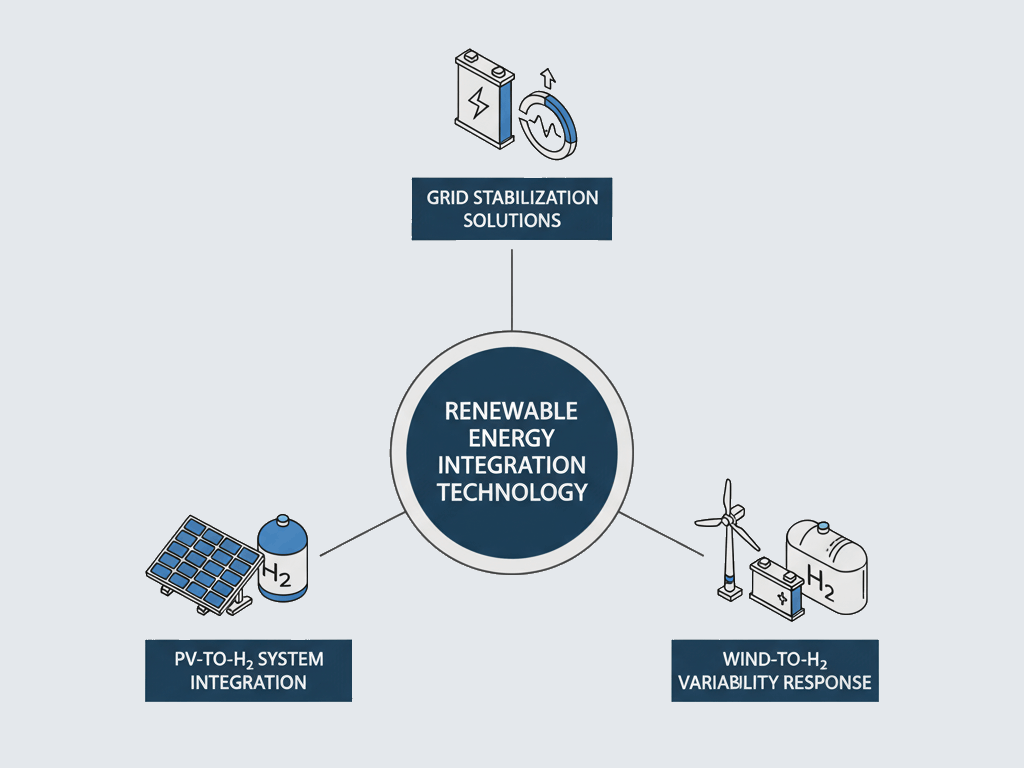
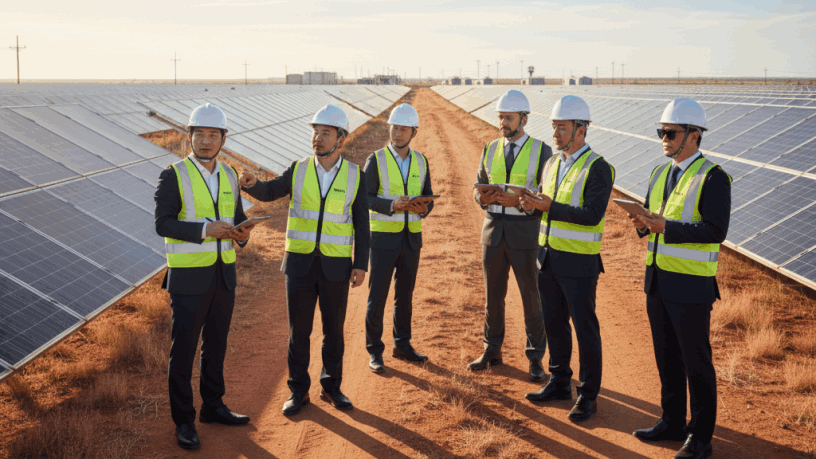
•PV-to-H₂ system integration
•Response to Wind-to-H₂ variability
•Grid stabilization solutions
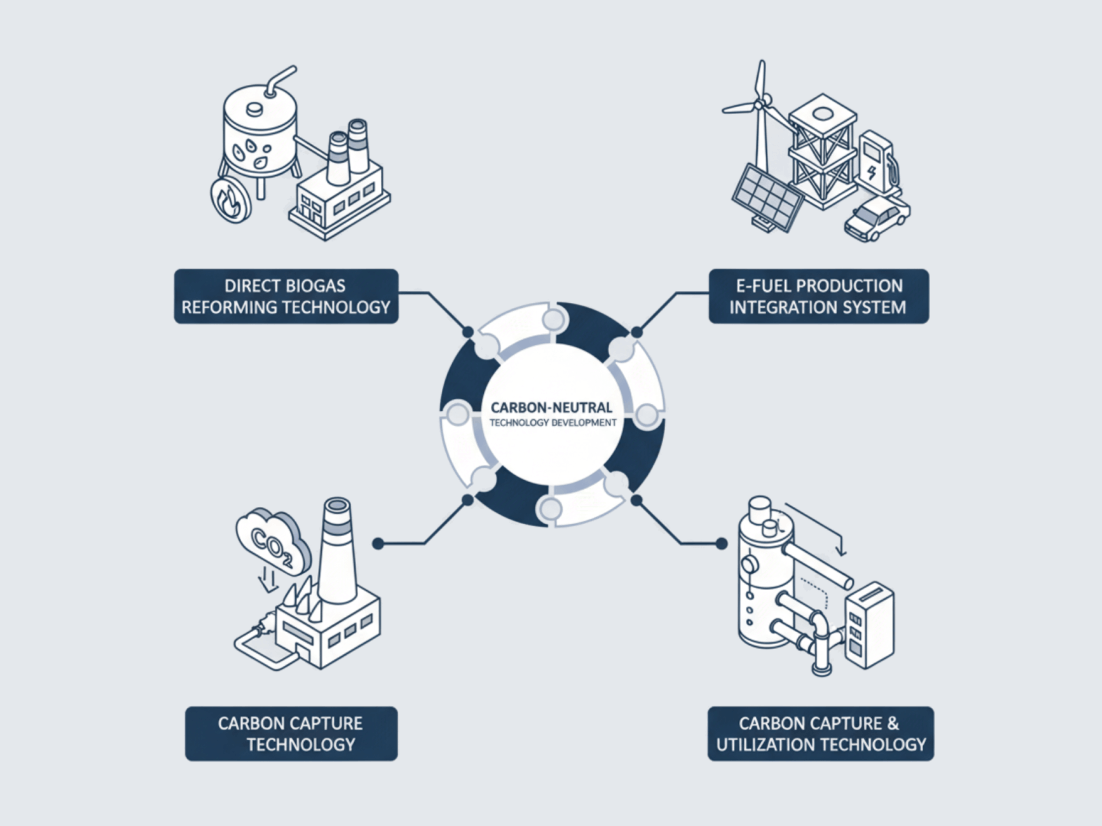
•Direct biogas reforming technology
•Integrated E-fuel production system
•Carbon Capture & Utilization (CCU) technology
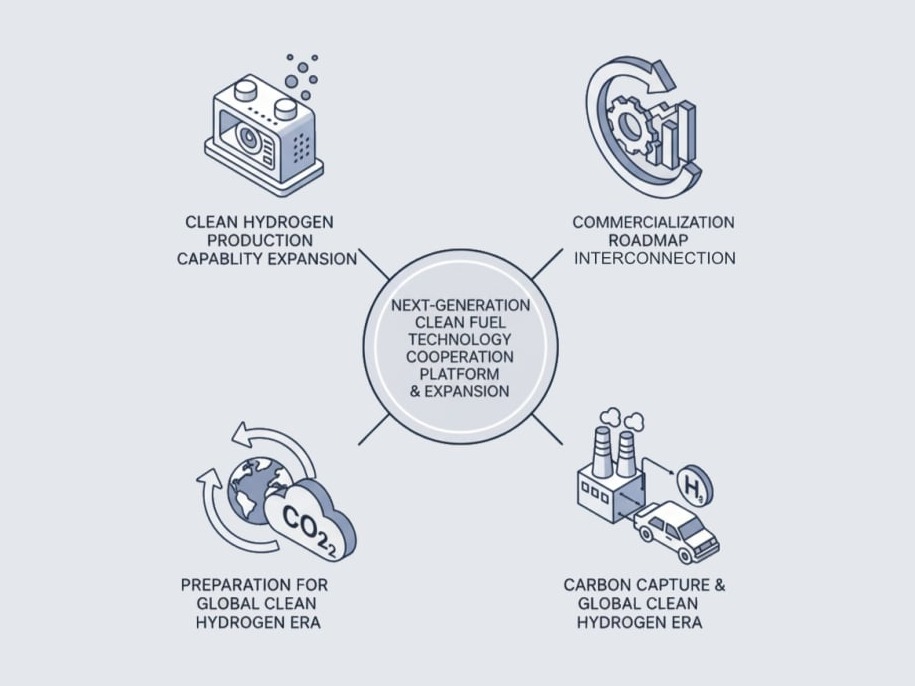
•Expansion of clean hydrogen production capabilities
•Alignment with commercialization roadmap
•Preparation for the global clean hydrogen era
DR Fuel Cell is expanding strategic partnerships with major overseas companies for the global commercialization of clean hydrogen technology.
Amid the rapid growth of the ship decarbonization market following the IMO's international shipping carbon neutrality goals (20% reduction by 2030, Net-Zero by 2050), we are actively pursuing cooperation on ammonia-based fuel cell systems with global shipbuilders and the shipping industry, including Doosan Mobility Innovation (DMI), Hanwha Ocean, and Amogy (USA). We supply core components for marine fuel cell systems through ammonia cracker technology, securing an ammonia decomposition efficiency of over 99%.
We hold a US patent (Fuel Processor, US 9,839,898 B2) and a Japanese patent (Thermal Power Generation Device, Application 2015-200961). Recently, we completed the registration of a patent for a resource management method for distributed power networks (2022-212279) in Japan, laying the foundation for entry into the Asian market.
We are leading the global clean hydrogen market based on multi-fuel compatible technology covering natural gas, biogas, and ammonia. We are simultaneously promoting branch office projects to secure domestic and international sales networks, accelerating our entry into overseas markets with a goal of achieving KRW 10 billion in revenue by 2027.
Japan is a hydrogen pioneer that established the world's first Basic Hydrogen Strategy and achieved fuel cell commercialization. DR Fuel Cell contributes to the development of the Asian hydrogen ecosystem through technical exchange with Japan.
Cooperation Status
• Joint Patent Application: Thermal Power Generation Device (Japanese Patent)
• Tech Standardization: Development of products compliant with JIS standards
• Market Entry: Supply cooperation with Japanese FC manufacturers
Technology Benchmarking
• ENE-FARM: Residential fuel cell dissemination model
• JHFC: Sharing experience in building hydrogen station infrastructure
• Tokyo Olympics: Hydrogen society demonstration case study
With the implementation of the US IRA (Inflation Reduction Act) offering tax credits (up to $3/kg) for clean hydrogen production, opportunities in the North American market are rapidly expanding.
Entry Strategy
• Partnership: Technical cooperation with US fuel cell manufacturers
• Localization: 'Made in USA' compliance for core components
• Standards: Carbon emission intensity below 4kgCO₂e/kgH₂
Singapore: Hydrogen Hub Construction Project Participation
• Role as a hydrogen logistics hub in Southeast Asia
• Connection point for Japan-Australia hydrogen supply chains
• Port hydrogen infrastructure construction business
Australia: Green Hydrogen Production Cooperation
• Utilization of abundant renewable energy resources
• Participation in large-scale hydrogen production projects
• Role as a hydrogen export base for Asia
Areas of Cooperation
Cooperation Process
Partnership Inquiry
Technical Review Meeting
NDA Signing
Cooperation Agreement